Frequently Asked Questions
What is a canvas fingerprint?
A canvas fingerprint is a unique digital ID generated by websites using the HTML5 canvas element. A hidden script forces your browser to draw an invisible image, which renders differently based on your specific hardware. This pixel data is then converted into a unique tracking hash.
How accurate is canvas fingerprinting?
It is highly accurate because it tracks deep hardware-level variations rather than easily changed IP addresses or cookies. Since the exact combination of your GPU, OS, drivers, and fonts is highly unique, it can identify individual computers with extreme precision across the internet.
Is canvas fingerprinting legal?
Canvas fingerprinting is generally legal but operates in a legal grey area that is increasingly restricted by privacy regulations, such as the GDPR in Europe and the CCPA in California. While no specific laws currently ban the technique, using it to track users without consent violates strict data protection regulations if it enables identification.
How to bypass canvas fingerprinting?
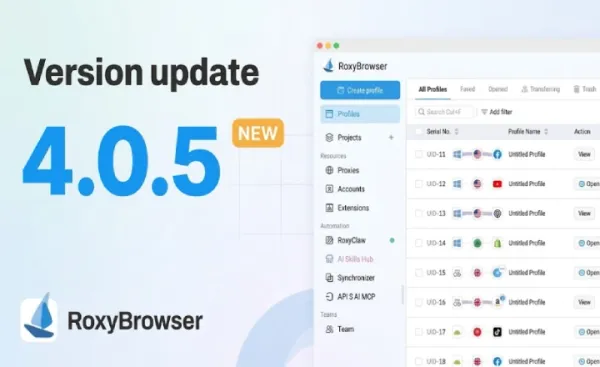
You cannot bypass it with VPNs or by blocking the script, as blocking triggers immediate security alarms. The most reliable method is using an antidetect browser like RoxyBrowser to inject precise, natural-looking noise into the canvas output, providing a unique hardware profile for each account.
How can canvas detect cheating?
Platforms use it to map multiple independent accounts back to a single physical device. If a security system detects the exact same canvas hash operating fifty different accounts—even if they use different proxy IPs—it instantly flags the network for policy violations and triggers a mass ban.